
Loading...
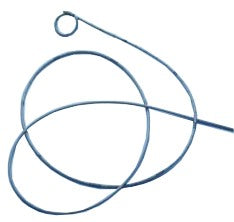
Coloplast Single J Ureteral Stent in Vortek Open Renal Loop with Holes Ch8 90cm Sterile Single Use
Sold out
€91,50
Unit price
/
Unavailable
Tax included, shipping and discounts calculated at checkout.
Coloplast | SKU:
915778144
Notify me when it's back in stock!
Write us your email, you will be notified when this product becomes available again!
Coloplast Single J Ureteral Stent in Vortek Open Renal Loop with Holes Ch8 90cm Sterile Single Use is backordered and will ship as soon as it is back in stock.
Shipping Costs and Times
Shipping Costs and Times
- Order fulfilled in 24h
- Italy, including islands, Free from €49.90
- Orders under €49.90: €4.99
- Europe starting from €11
Payments
Payments
Payment information is processed securely. We do not store credit card information or have access to your credit card information.
Returns and Refunds
Returns and Refunds
You can return and receive a refund for the item within 30 days. See full policy here.

Do you need help?
Our customer service is here to help you!
- Contact us by phone, email or WhatsApp, from Monday to Friday, from 9:00 to 20:00 .
- For common questions, such as tracking your order or checking its fulfillment status, you can count on our artificial intelligence , available 24/7 .
We are always at your side to offer you fast and effective support!
Description
Description
SINGLE J URETERAL STENT IN VORTEK OPEN RENAL LOOP WITH CH8 HOLES 90CM STERILE SINGLE-USE COLOPLAST
COLOPLAST
Vortek Single J
Description
The Vortek® single loop stent is a flexible tubular device with a coil at the renal end. It is available in various configurations to meet patient needs. Configurations vary based on stent diameter, renal tip configuration (open or closed), presence or absence of eyelets on the straight part, and recommended insertion technique. To facilitate stent placement, markings are printed every 20 mm for 50 cm of the stent from the renal loop. The model numbers shown below indicate the configuration, with x representing the outer French diameter between 6 and 8.
The guidewire has a flexible tip of approximately 5 cm. Accessories to facilitate the procedure are included in the set: a clamp to immobilize the guidewire, a connector with a Luer end to connect the stent to a Luer syringe or a Luer bag connector to connect a urine bag.
- Surgical indication: ureterostomy, bladder replacement.
- Endoscopic indication: drainage of the upper urinary tract with ureteral obstructions or fistulas.
The guidewire, clamp, and connector in the set are used for endourological procedures with Vortek single loop stents.
Vortek single loop stents cannot be left in place for more than 30 days.
The guidewire and clamp are intended for temporary use during the insertion procedure.
Vortek single loop stents are self-retaining catheters used anterogradely or retrogradely or in open surgery. They maintain drainage of the upper urinary tract by collecting urine from the kidney for short-term drainage, for fistulas or urinary obstructions. They are also used during a surgical procedure for ureterostomy or bladder replacement.
Instructions for use
OPERATIVE PROCEDURE
Vortek single loop stents are mainly used for retrograde placement or in open surgery. Anterograde placement may also be considered.
Preparation and placement
- Perform placement after opacification of the excretory duct and under fluoroscopic control.
Insertion over guidewire (open renal tip)
- Insert the flexible end of the guidewire through the natural urinary tract using a retrograde procedure (anterograde procedure can also be considered an option) or through the ureter opening after dissection with open surgery.
- Holding the rigid end of the guidewire, slide the renal coiled end of the stent over the guidewire and advance the stent into the renal pelvis.
Insertion with guidewire used as stylet (closed renal end)
- The guidewire is used as a stylet.
- Straighten the stent by inserting the rigid end of the guidewire into the renal end of the stent and advancing the closed end.
- Clamp the guidewire using the clamp included in the set.
Precautions: Before insertion into the patient's body, examine the renal end of the stent to ensure that the guidewire does not protrude from an eyelet.
- Insert the stent - guidewire positioned - via retrograde procedure up to the renal pelves.
- Be careful not to move the guidewire during stent insertion. The guidewire must be held taut by an assistant during the procedure.
- Once stent placement is confirmed fluoroscopically, remove the clamp when applicable and carefully withdraw the guidewire, allowing the stent to coil in the kidney, being careful not to displace the stent.
- Finish the procedure and/or ureterostomy following the preferred technique, being careful not to bend or damage the stent.
Connector assembly
- Insert the connector over approximately 20 mm of the distal end of the stent outside the patient.
- Secure the connector to the stent by tightening the two parts of the connector.
- Use a suitable Luer syringe or Luer bag fitting to connect a urine bag.
Stent removal
- Remove by gently pulling the stent. If resistance is encountered, use fluoroscopy to determine the stent's position and the cause of resistance before proceeding.
Replacement
- Reposition after opacification of the excretory duct.
- The usual procedure is performed retrogradely. In case of difficult access, consider anterograde access.
- Insert the soft ends of the guidewire through the previous stent upwards into the renal cavity.
Warning: ensure, under constant fluoroscopic control, that the guidewire does not exit through a hole during insertion.
Warnings
- Do not attempt to place the stent in a patient with suspected ureteral avulsion.
- Do not use where, in the judgment of the physician, such a procedure may not benefit the patient.
- Do not use in patients with silicone allergy: these devices may contain traces of silicone from the manufacturing process.
- The guidewire is intended exclusively for use during endourological procedures.
- Untreated progressive upper urinary tract infection.
- Uncontrolled hemostasis disorder (relative contraindications).
- For pregnant women, the safety of certain endourological procedures must be assessed.
- The choice of stent characteristics and dimensions is the responsibility of the physician and depends on the patient's body size.
- Any other use not specified in these indications is under the responsibility of the physician.
- The use of this set is permitted only for qualified and experienced medical professionals.
- Physicians must inform patients of possible unwanted side effects.
- Do not use if the packaging is damaged: the sterility of the products may be compromised.
- Check the integrity of the device before use.
- Do not reuse, reprocess and/or re-sterilize the product:
• the Vortek double loop stent has specific characteristics to maintain flow in narrow and tortuous channels, while the guidewire is specially designed to allow stent insertion into the anatomical tract. Reuse, reprocessing, or re-sterilization can compromise structural integrity and/or cause device failure, resulting in patient injury or illness;
• the specific design of the products cannot guarantee the quality of re-sterilization. Reuse, reprocessing, or re-sterilization carry the risk of device contamination and patient infection or cross-infection from one patient to another.
- Knot formation in long stents has been reported as an adverse event and may require surgical intervention for removal.
- The assessment of a patient's allergic history is the responsibility of the physician.
- The guidewire and stent provided in the set are compatible. Do not use any other guidewire.
- Before use and, if possible, during use, carefully inspect the guidewire. Never use the device if damage, deformation, kinking, treatment abrasions, or other deformations are noted.
- If the guidewire is bent/kinked, do not attempt to reshape it. Any attempt to reshape the guidewire could cause damage, resulting in the release of wire fragments into the urinary system.
- Do not withdraw the guidewire through metallic insertion devices (e.g., metallic cannula or needle, etc.) to avoid external delamination of the sheath or coating.
- Handle the guidewire slowly and carefully. Monitor the behavior and advancement of the guidewire tip fluoroscopically.
- If resistance is felt during use, immediately stop manipulating the guidewire and/or stent or endoscope used, and determine the cause of the resistance.
If necessary, to avoid complications, remove the guidewire and device used as a single unit.
- Guidewires must not come into contact with alcohol, antiseptic solutions, or solutions containing solvents other than water or physiological saline.
- Failure to observe the following warnings could result in coating abrasion, release of fragments from the guidewire, damage or breakage of the guidewire, or tissue perforation, potentially requiring intervention.
- The guidewire contains ferromagnetic components: do not use with magnetic resonance imaging.
- Insert the guidewire of the set under fluoroscopic control. Do not consider other options such as magnetic resonance imaging.
- Do not connect devices other than a Luer syringe or Luer bag connector to the Luer end connector.
- The choice of Luer bag fitting is the responsibility of the physician.
Format
Store the device away from sunlight and heat in a dry place.
Code.
ACA106
ACA107
ACA108
The Vortek® single loop stent is a flexible tubular device with a coil at the renal end. It is available in various configurations to meet patient needs. Configurations vary based on stent diameter, renal tip configuration (open or closed), presence or absence of eyelets on the straight part, and recommended insertion technique. To facilitate stent placement, markings are printed every 20 mm for 50 cm of the stent from the renal loop. The model numbers shown below indicate the configuration, with x representing the outer French diameter between 6 and 8.
The guidewire has a flexible tip of approximately 5 cm. Accessories to facilitate the procedure are included in the set: a clamp to immobilize the guidewire, a connector with a Luer end to connect the stent to a Luer syringe or a Luer bag connector to connect a urine bag.
- Surgical indication: ureterostomy, bladder replacement.
- Endoscopic indication: drainage of the upper urinary tract with ureteral obstructions or fistulas.
The guidewire, clamp, and connector in the set are used for endourological procedures with Vortek single loop stents.
Vortek single loop stents cannot be left in place for more than 30 days.
The guidewire and clamp are intended for temporary use during the insertion procedure.
Vortek single loop stents are self-retaining catheters used anterogradely or retrogradely or in open surgery. They maintain drainage of the upper urinary tract by collecting urine from the kidney for short-term drainage, for fistulas or urinary obstructions. They are also used during a surgical procedure for ureterostomy or bladder replacement.
Instructions for use
OPERATIVE PROCEDURE
Vortek single loop stents are mainly used for retrograde placement or in open surgery. Anterograde placement may also be considered.
Preparation and placement
- Perform placement after opacification of the excretory duct and under fluoroscopic control.
Insertion over guidewire (open renal tip)
- Insert the flexible end of the guidewire through the natural urinary tract using a retrograde procedure (anterograde procedure can also be considered an option) or through the ureter opening after dissection with open surgery.
- Holding the rigid end of the guidewire, slide the renal coiled end of the stent over the guidewire and advance the stent into the renal pelvis.
Insertion with guidewire used as stylet (closed renal end)
- The guidewire is used as a stylet.
- Straighten the stent by inserting the rigid end of the guidewire into the renal end of the stent and advancing the closed end.
- Clamp the guidewire using the clamp included in the set.
Precautions: Before insertion into the patient's body, examine the renal end of the stent to ensure that the guidewire does not protrude from an eyelet.
- Insert the stent - guidewire positioned - via retrograde procedure up to the renal pelves.
- Be careful not to move the guidewire during stent insertion. The guidewire must be held taut by an assistant during the procedure.
- Once stent placement is confirmed fluoroscopically, remove the clamp when applicable and carefully withdraw the guidewire, allowing the stent to coil in the kidney, being careful not to displace the stent.
- Finish the procedure and/or ureterostomy following the preferred technique, being careful not to bend or damage the stent.
Connector assembly
- Insert the connector over approximately 20 mm of the distal end of the stent outside the patient.
- Secure the connector to the stent by tightening the two parts of the connector.
- Use a suitable Luer syringe or Luer bag fitting to connect a urine bag.
Stent removal
- Remove by gently pulling the stent. If resistance is encountered, use fluoroscopy to determine the stent's position and the cause of resistance before proceeding.
Replacement
- Reposition after opacification of the excretory duct.
- The usual procedure is performed retrogradely. In case of difficult access, consider anterograde access.
- Insert the soft ends of the guidewire through the previous stent upwards into the renal cavity.
Warning: ensure, under constant fluoroscopic control, that the guidewire does not exit through a hole during insertion.
Warnings
- Do not attempt to place the stent in a patient with suspected ureteral avulsion.
- Do not use where, in the judgment of the physician, such a procedure may not benefit the patient.
- Do not use in patients with silicone allergy: these devices may contain traces of silicone from the manufacturing process.
- The guidewire is intended exclusively for use during endourological procedures.
- Untreated progressive upper urinary tract infection.
- Uncontrolled hemostasis disorder (relative contraindications).
- For pregnant women, the safety of certain endourological procedures must be assessed.
- The choice of stent characteristics and dimensions is the responsibility of the physician and depends on the patient's body size.
- Any other use not specified in these indications is under the responsibility of the physician.
- The use of this set is permitted only for qualified and experienced medical professionals.
- Physicians must inform patients of possible unwanted side effects.
- Do not use if the packaging is damaged: the sterility of the products may be compromised.
- Check the integrity of the device before use.
- Do not reuse, reprocess and/or re-sterilize the product:
• the Vortek double loop stent has specific characteristics to maintain flow in narrow and tortuous channels, while the guidewire is specially designed to allow stent insertion into the anatomical tract. Reuse, reprocessing, or re-sterilization can compromise structural integrity and/or cause device failure, resulting in patient injury or illness;
• the specific design of the products cannot guarantee the quality of re-sterilization. Reuse, reprocessing, or re-sterilization carry the risk of device contamination and patient infection or cross-infection from one patient to another.
- Knot formation in long stents has been reported as an adverse event and may require surgical intervention for removal.
- The assessment of a patient's allergic history is the responsibility of the physician.
- The guidewire and stent provided in the set are compatible. Do not use any other guidewire.
- Before use and, if possible, during use, carefully inspect the guidewire. Never use the device if damage, deformation, kinking, treatment abrasions, or other deformations are noted.
- If the guidewire is bent/kinked, do not attempt to reshape it. Any attempt to reshape the guidewire could cause damage, resulting in the release of wire fragments into the urinary system.
- Do not withdraw the guidewire through metallic insertion devices (e.g., metallic cannula or needle, etc.) to avoid external delamination of the sheath or coating.
- Handle the guidewire slowly and carefully. Monitor the behavior and advancement of the guidewire tip fluoroscopically.
- If resistance is felt during use, immediately stop manipulating the guidewire and/or stent or endoscope used, and determine the cause of the resistance.
If necessary, to avoid complications, remove the guidewire and device used as a single unit.
- Guidewires must not come into contact with alcohol, antiseptic solutions, or solutions containing solvents other than water or physiological saline.
- Failure to observe the following warnings could result in coating abrasion, release of fragments from the guidewire, damage or breakage of the guidewire, or tissue perforation, potentially requiring intervention.
- The guidewire contains ferromagnetic components: do not use with magnetic resonance imaging.
- Insert the guidewire of the set under fluoroscopic control. Do not consider other options such as magnetic resonance imaging.
- Do not connect devices other than a Luer syringe or Luer bag connector to the Luer end connector.
- The choice of Luer bag fitting is the responsibility of the physician.
Format
Store the device away from sunlight and heat in a dry place.
Code.
ACA106
ACA107
ACA108
Product Details
Product Details
-
Format
-
Legislative class
-
Deductible Product