
Loading...
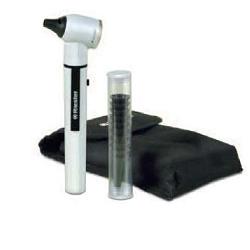
E-scope Otoscope Fiber Optic 3 LED 7v
63% off
€108,42
€290,00
Unit price
/
Unavailable
Tax included, shipping and discounts calculated at checkout.
Safety | SKU:
900511445
E-scope Otoscope Fiber Optic 3 LED 7v is backordered and will ship as soon as it is back in stock.
Shipping Costs and Times
Shipping Costs and Times
- Order fulfilled in 24h
- Italy, including islands, Free from €49.90
- Orders under €49.90: €4.99
- Europe starting from €11
Payments
Payments
Payment information is processed securely. We do not store credit card information or have access to your credit card information.
Returns and Refunds
Returns and Refunds
You can return and receive a refund for the item within 30 days. See full policy here.
E-scope Otoscope Fiber Optic 3 LED 7v
€108,42
€290,00
Unit price
/
Unavailable

Do you need help?
Our customer service is here to help you!
- Contact us by phone, email or WhatsApp, from Monday to Friday, from 9:00 to 20:00 .
- For common questions, such as tracking your order or checking its fulfillment status, you can count on our artificial intelligence , available 24/7 .
We are always at your side to offer you fast and effective support!
Description
Description
E-SCOPE OTOSCOPE FIBER OPTIC 3 LED 7V
e-scope
Description
Otoscope. The device is suitable for use on both adults and children.
Ophthalmoscopes are intended exclusively for use by doctors in hospitals and medical practices.
Otoscopes are intended exclusively for use by doctors in hospitals and medical practices.
Diagnostic lamps are intended exclusively for use by doctors in hospitals and medical practices.
Since ophthalmoscopes are used exclusively by doctors, they have the appropriate qualifications.
Since otoscopes are used exclusively by doctors, they have the appropriate qualifications.
Since diagnostic lamps are used exclusively by doctors, they have the appropriate qualifications.
Instructions for use
Inserting and removing batteries
Rotate the instrument head counter-clockwise to remove it from the handle. Insert 2 standard 1.5 V AA (Mignon) alkaline batteries (IEC standard designation LR6) into the handle's socket so that the positive poles face the top of the handle.
Rotate the instrument head clockwise onto the handle. Switching on and off There is an on/off slide switch on the handle. If the slide switch is pushed up, the device turns on; if it is pushed down, the device turns off.
Place the selected speculum on the metal structure of the otoscope. Rotate the speculum to the right until resistance is felt. The size of the ear speculum is indicated on its back.
The swivelling lens is attached to the device and can be rotated 360°.
If external instruments are to be introduced into the ear (e.g. tweezers), the swivelling lens (approximately 3x magnification) located on the otoscope head must be rotated 180°.
Pneumatic otoscopy (= examination of the eardrum) requires a bulb that is not included in the supply but can be ordered separately (see Spare parts and accessories). Take the metal connector, which is not included in the normal supply, but can be ordered separately (see spare parts and accessories) and insert it into the appropriate slot on the side of the otoscope head. The tube of the bulb is inserted onto the connector. It is now possible to carefully introduce the necessary amount of air into the ear canal.
Warnings
Please note that the correct and safe operation of our instruments is guaranteed only if both the instruments and their accessories come exclusively from Riester.
The use of other accessories may result in an increase in electromagnetic emissions or a reduction in the electromagnetic immunity of the device and may lead to incorrect operation.
- If the instrument is used in the presence of flammable mixtures or mixtures of pharmaceutical products, there may be a risk of gas ignition.
- Instrument heads and battery handles must never be immersed in liquids.
- Exposure to intense light during a prolonged eye examination with an ophthalmoscope can damage the retina.
- The device and ear specula are not sterile. Do not use on damaged tissue.
- Use new or disinfected ear specula to limit the risk of cross-contamination.
- Disposal of used specula must be carried out in accordance with current medical practices or local regulations for the disposal of infectious and biological medical waste.
- Use only Riester or Riester-approved accessories/consumables.
- Cleaning frequency and methods must comply with the regulations for cleaning non-sterile devices in force at the facility concerned. The cleaning and disinfection instructions specified in the instructions for use must be followed.
- The instrument may only be used by qualified personnel.
Use in MRI environments is prohibited.
There is a risk of gas ignition if the device is used in the presence of flammable mixtures or mixtures of pharmaceutical products and air, oxygen or nitrous oxide.
The device must not be used in rooms where flammable mixtures or mixtures of pharmaceutical products and air, oxygen or nitrous oxide are present, for example in operating theatres.
The device must be used in a controlled environment.
The device must not be exposed to extreme environmental conditions.
It is advisable to remove the (rechargeable) batteries from the handle before cleaning or disinfection. Take care during cleaning and disinfection of the instruments so that no liquid penetrates inside. Never place the instrument in liquids! Instruments with battery handles are supplied in non-sterile condition. To sterilize the device, do not use ethylene, oxide gas, heat, autoclaves or other methods that subject the material to excessive stress. The devices are not suitable for reprocessing and machine sterilization. These interventions cause irreparable damage.
- If the device is not used for a long period or if you take it with you when travelling, remove the batteries from the handle.
- New batteries must be inserted when the light intensity of the instrument weakens and could compromise the examination.
- For optimal light output, it is recommended to always use new, high-quality batteries when replacing the battery.
- Ensure that no liquid or moisture enters the handle.
Since prolonged exposure to intense light can damage the retina, the use of the device for eye examination should not be unnecessarily prolonged and the light intensity set should not be higher than that required for a clear view of the structures being examined.
The retinal exposure dose that constitutes a photochemical hazard depends on the radiance and the exposure time. If the radiance value were halved, twice the time would be needed to reach the maximum exposure limit.
Although no acute risks of optical radiation have been identified in direct or indirect ophthalmoscopes, it is recommended that the light intensity directed into the patient's eye be limited to the minimum level necessary for examination/diagnosis. Infants, children, aphakic subjects or those suffering from ophthalmic pathologies will be at greater risk.
The risk may also increase if the patient has already been examined with the same instrument or any other ophthalmic instrument in the previous 24 hours. This is especially true if the eye has been exposed to retinal photography.
The light emitted by the instrument is potentially harmful. The risk of ophthalmic injury is directly proportional to the duration of irradiation. The standard risk value is exceeded when the duration of light irradiation from this instrument is greater than 5 minutes.
Code 10460, 10480
Otoscope. The device is suitable for use on both adults and children.
Ophthalmoscopes are intended exclusively for use by doctors in hospitals and medical practices.
Otoscopes are intended exclusively for use by doctors in hospitals and medical practices.
Diagnostic lamps are intended exclusively for use by doctors in hospitals and medical practices.
Since ophthalmoscopes are used exclusively by doctors, they have the appropriate qualifications.
Since otoscopes are used exclusively by doctors, they have the appropriate qualifications.
Since diagnostic lamps are used exclusively by doctors, they have the appropriate qualifications.
Instructions for use
Inserting and removing batteries
Rotate the instrument head counter-clockwise to remove it from the handle. Insert 2 standard 1.5 V AA (Mignon) alkaline batteries (IEC standard designation LR6) into the handle's socket so that the positive poles face the top of the handle.
Rotate the instrument head clockwise onto the handle. Switching on and off There is an on/off slide switch on the handle. If the slide switch is pushed up, the device turns on; if it is pushed down, the device turns off.
Place the selected speculum on the metal structure of the otoscope. Rotate the speculum to the right until resistance is felt. The size of the ear speculum is indicated on its back.
The swivelling lens is attached to the device and can be rotated 360°.
If external instruments are to be introduced into the ear (e.g. tweezers), the swivelling lens (approximately 3x magnification) located on the otoscope head must be rotated 180°.
Pneumatic otoscopy (= examination of the eardrum) requires a bulb that is not included in the supply but can be ordered separately (see Spare parts and accessories). Take the metal connector, which is not included in the normal supply, but can be ordered separately (see spare parts and accessories) and insert it into the appropriate slot on the side of the otoscope head. The tube of the bulb is inserted onto the connector. It is now possible to carefully introduce the necessary amount of air into the ear canal.
Warnings
Please note that the correct and safe operation of our instruments is guaranteed only if both the instruments and their accessories come exclusively from Riester.
The use of other accessories may result in an increase in electromagnetic emissions or a reduction in the electromagnetic immunity of the device and may lead to incorrect operation.
- If the instrument is used in the presence of flammable mixtures or mixtures of pharmaceutical products, there may be a risk of gas ignition.
- Instrument heads and battery handles must never be immersed in liquids.
- Exposure to intense light during a prolonged eye examination with an ophthalmoscope can damage the retina.
- The device and ear specula are not sterile. Do not use on damaged tissue.
- Use new or disinfected ear specula to limit the risk of cross-contamination.
- Disposal of used specula must be carried out in accordance with current medical practices or local regulations for the disposal of infectious and biological medical waste.
- Use only Riester or Riester-approved accessories/consumables.
- Cleaning frequency and methods must comply with the regulations for cleaning non-sterile devices in force at the facility concerned. The cleaning and disinfection instructions specified in the instructions for use must be followed.
- The instrument may only be used by qualified personnel.
Use in MRI environments is prohibited.
There is a risk of gas ignition if the device is used in the presence of flammable mixtures or mixtures of pharmaceutical products and air, oxygen or nitrous oxide.
The device must not be used in rooms where flammable mixtures or mixtures of pharmaceutical products and air, oxygen or nitrous oxide are present, for example in operating theatres.
The device must be used in a controlled environment.
The device must not be exposed to extreme environmental conditions.
It is advisable to remove the (rechargeable) batteries from the handle before cleaning or disinfection. Take care during cleaning and disinfection of the instruments so that no liquid penetrates inside. Never place the instrument in liquids! Instruments with battery handles are supplied in non-sterile condition. To sterilize the device, do not use ethylene, oxide gas, heat, autoclaves or other methods that subject the material to excessive stress. The devices are not suitable for reprocessing and machine sterilization. These interventions cause irreparable damage.
- If the device is not used for a long period or if you take it with you when travelling, remove the batteries from the handle.
- New batteries must be inserted when the light intensity of the instrument weakens and could compromise the examination.
- For optimal light output, it is recommended to always use new, high-quality batteries when replacing the battery.
- Ensure that no liquid or moisture enters the handle.
Since prolonged exposure to intense light can damage the retina, the use of the device for eye examination should not be unnecessarily prolonged and the light intensity set should not be higher than that required for a clear view of the structures being examined.
The retinal exposure dose that constitutes a photochemical hazard depends on the radiance and the exposure time. If the radiance value were halved, twice the time would be needed to reach the maximum exposure limit.
Although no acute risks of optical radiation have been identified in direct or indirect ophthalmoscopes, it is recommended that the light intensity directed into the patient's eye be limited to the minimum level necessary for examination/diagnosis. Infants, children, aphakic subjects or those suffering from ophthalmic pathologies will be at greater risk.
The risk may also increase if the patient has already been examined with the same instrument or any other ophthalmic instrument in the previous 24 hours. This is especially true if the eye has been exposed to retinal photography.
The light emitted by the instrument is potentially harmful. The risk of ophthalmic injury is directly proportional to the duration of irradiation. The standard risk value is exceeded when the duration of light irradiation from this instrument is greater than 5 minutes.
Code 10460, 10480
Product Details
Product Details
-
Legislative class
-
Deductible Product